

Not every minor accident in California requires a lawyer, but many do. If the crash caused no injuries, fault is clear, and the at-fault driver’s insurance covers your repairs without dispute, you can likely handle the claim yourself.
However, if injuries appear days later, the other driver’s insurer pushes back, or fault is contested, navigating the claim alone puts your compensation at serious risk.
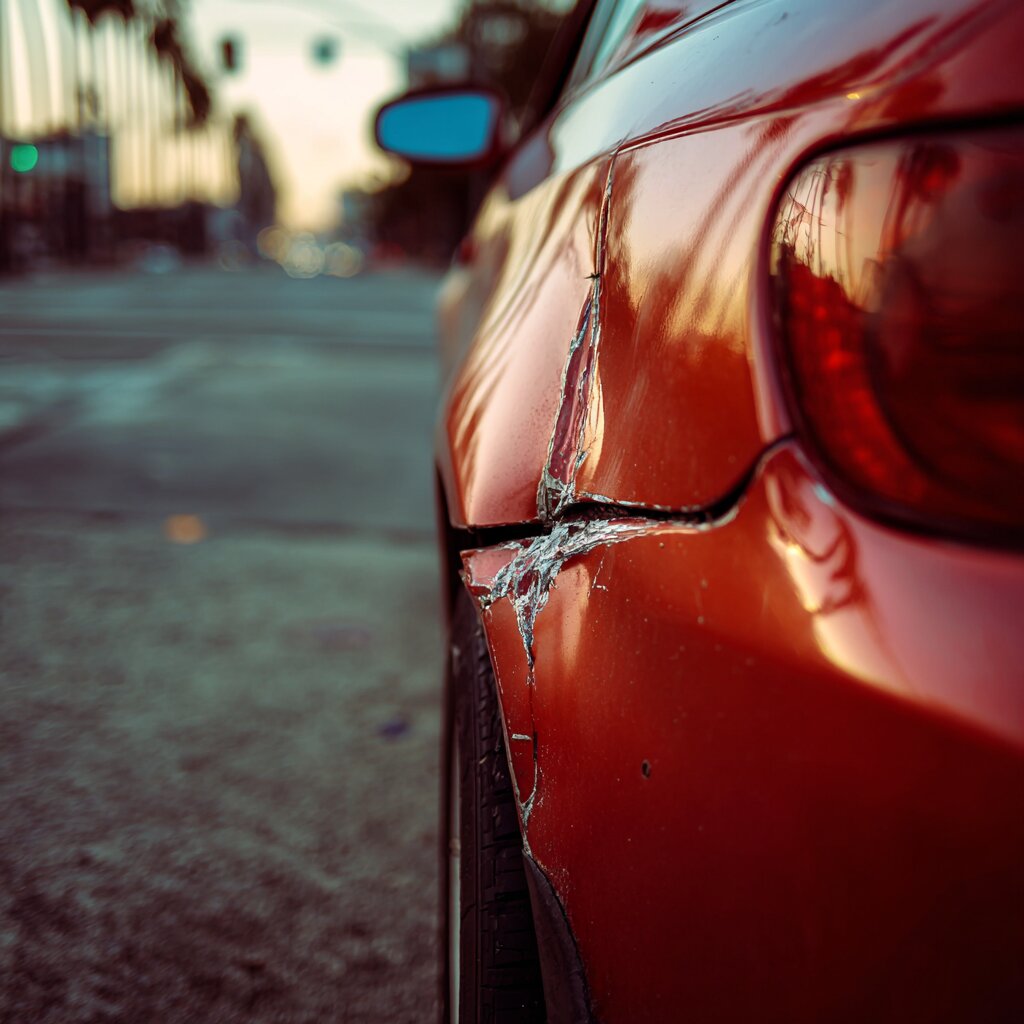
What Counts as a Minor Car Accident in California?
A minor car accident is generally one with little visible vehicle damage and no obvious injuries at the scene. California law does not officially define “minor”, the true severity is determined by the extent of your injuries, whether fault is disputed, and how the insurance company responds.
Drivers typically consider an accident minor when:
- The impact occurred at low speed, usually under 15 mph.
- Both vehicles show minimal visible damage
- No one was transported from the scene by ambulance
- Everyone felt fine immediately after the crash
- Both drivers exchanged information and drove away
The problem is that what looks minor at the scene can become a serious medical and legal issue within days.
When You Probably Don’t Need a Lawyer
Not every accident requires a car accident attorney, and we will always be honest with you about that. You can likely handle the claim yourself if every one of the following conditions is true:
- No injuries reported: Everyone involved felt fine in the hours and days after the crash, with no soreness, stiffness, or pain developing later.
- Clear, accepted fault: The other driver admitted responsibility and their insurance company accepted 100% of the liability without a dispute.
- Valid insurance: The at-fault driver carries an active California auto insurance policy with enough coverage to pay for your damages.
- Low repair costs: Your vehicle repair estimate falls well within the at-fault driver’s property damage policy limits.
- Fair settlement offered: The insurer promptly offers to cover all your repairs and out-of-pocket costs without pushback.
If even one of these conditions is missing, the situation has moved beyond what most people can safely handle on their own.
When a “Minor” Accident Is Not Actually Minor
Most claims reveal their true complexity within the first 72 hours. There are three situations where a seemingly small crash becomes a serious legal matter.
Delayed Injuries That Appear After a Fender Bender
Your body releases adrenaline during and after a crash, which can mask pain entirely. Many people feel completely fine at the scene, only to wake up days later with significant neck pain, back stiffness, or headaches.
The most common delayed injuries from low-speed collisions include whiplash, soft tissue damage, concussions, and lumbar strain. If you accept a quick settlement before these symptoms appear, you permanently give up your right to seek compensation for the medical treatment you will need later.
Disputed Fault and Shared Blame
California follows a legal rule called pure comparative negligence, which means your total compensation is reduced by your percentage of fault in the accident. For example, if you have $10,000 in damages but are found 20% at fault, your maximum recovery drops to $8,000.
Insurance adjusters know this rule well and will often try to shift partial blame onto you to reduce their payout, even in crashes where the other driver was clearly responsible.
Insurance Pushback and Recorded Statements
Insurers often contact you within hours of a crash to offer a quick settlement or request a recorded statement. A quick offer made before you see a doctor is almost always less than your claim is actually worth, and accepting it closes your case permanently.
You are not legally required to give a recorded statement to the other driver’s insurance company, and doing so often gives them material to reduce or deny your claim.
What a Lawyer Actually Does in a Minor Accident Claim
Hiring an attorney does not mean you are filing a lawsuit. Most minor accident cases are resolved through negotiation, and a lawyer’s job is to make sure that negotiation ends in your favor.
Protect Your Evidence and Statements from Day One
Krasney Law Accident Attorneys will immediately take over all communication with the insurance companies, so you cannot be pressured into saying something harmful. We preserve critical evidence, photographs, police reports, and witness contact information before it disappears. If fault is disputed, we can also secure traffic camera footage or bring in accident reconstruction experts to establish exactly what happened.
Calculate the Full Value of Your Claim
An attorney values your claim beyond just the current medical bills sitting on your kitchen table. A full valuation includes future medical treatment, lost wages from missed work, and compensation for your physical pain and suffering. Without a lawyer, most people accept a settlement that only covers what they can see right now.
We can also negotiate medical liens, agreements where your medical provider accepts payment from your settlement rather than upfront, and often reduce the amount owed, which increases the money you actually take home.
Work on Contingency at No Upfront Cost to You
Personal injury lawyers work on a contingency fee basis, meaning you pay nothing unless we recover compensation for you. The attorney’s fee is a percentage of the settlement and is only charged if your attorney recovers compensation for you. If we do not win, you owe no attorney’s fees.
How California’s Fault Rules Affect Your Minor Accident Claim
California has specific laws on fault and insurance minimums that directly affect how much compensation you can recover even in a minor crash.
Under California Civil Code § 1714, the pure comparative negligence rule allows you to recover damages even if you share some fault for the accident. However, your recovery is reduced by your exact percentage of fault, which is why insurance companies work so hard to assign blame to you.
California also sets minimum liability insurance requirements for all drivers:
| Coverage Type | Current Minimum | What It Pays For |
| Bodily Injury (per person) | $30,000 | Your injuries as the non-fault party |
| Bodily Injury (per accident) | $60,000 | Total injuries for all parties |
| Property Damage | $15,000 | Repairs to your vehicle |
These minimums are often not enough to cover even a single emergency room visit, let alone ongoing treatment. If the at-fault driver’s policy runs out before your bills are paid, your own Uninsured/Underinsured Motorist (UM/UIM) coverage steps in to cover the gap. UM/UIM is insurance you carry on your own policy that protects you when the at-fault driver cannot fully pay for your losses.
What to Do Immediately After a Minor Crash in California
Taking the right steps in the first 72 hours protects both your health and your ability to file a successful claim.
At the scene, move to safety, call 911 if anyone is hurt, and exchange full information with the other driver, including their name, driver’s license number, license plate, and insurance details. Photograph the vehicles, the surrounding area, road conditions, and any visible injuries before anything is moved. If witnesses are present, get their names and phone numbers.
Then, see a doctor within 72 hours, even if you feel fine. Medical documentation from this visit is the single most important piece of evidence for linking any delayed injuries to the crash.
You also have a reporting obligation under California law. Any driver involved in an accident that causes an injury or more than $1,000 in property damage must file a Report of Traffic Accident Occurring in California (SR-1 form) with the DMV within 10 days.
This requirement applies regardless of fault and even if no police report was filed. Failing to submit the SR-1 can result in the suspension of your driver’s license.
Deadlines for Filing a Minor Accident Claim in California
The statute of limitations is the legal deadline to file a lawsuit. Missing this deadline means losing your right to compensation permanently, regardless of how strong your case is.
- Personal injury claims: Two years from the date of the accident
- Property damage only: Three years from the date of the accident
- Claims against a government entity: Six months to file a formal administrative claim
- Injured minors: The clock pauses until the minor turns 18.
The two-year window may feel generous, but evidence fades, witnesses forget details, and medical records become harder to obtain over time. The sooner you consult our personal injury attorneys, the stronger your case will be.
How Krasney Law Accident Attorneys Can Help You
At Krasney Law Accident Attorneys, we have decades of experience representing accident victims across California, and we know that even a “minor” crash can turn your life upside down.
We provide the kind of direct, personal attention that large, high-volume firms simply cannot offer, you will work with your attorney, not be passed between staff members.
A free consultation with our team costs you nothing and helps you understand exactly where you stand. Contact Krasney Law Accident Attorneys today to speak with a dedicated advocate about your case today.
Frequently Asked Questions
Do I Need to Call the Police for a Minor Accident in California?
California law does not require police involvement for a property-damage-only accident, but you must still exchange information and file an SR-1 with the DMV if damages exceed $1,000 or anyone is injured.
Do I Have to File a DMV SR-1 Form After a Fender Bender?
Yes. If the accident caused any injury or more than $1,000 in property damage, you must file an SR-1 with the DMV within 10 days, even if no police report was taken.
Should I Give a Recorded Statement to the Other Driver’s Insurance Company?
No. You are not legally required to give a recorded statement to the other driver’s insurer, and doing so can give them grounds to reduce or deny your claim.
Can I Use Small Claims Court to Resolve a Minor Accident Dispute?
California small claims court can work for straightforward property damage disputes, but it is generally not the right venue when personal injuries are involved.
What Happens If the At-Fault Driver Has No Insurance or Not Enough Insurance?
You can file a claim under your own Uninsured/Underinsured Motorist (UM/UIM) coverage, which is designed to pay for your losses when the at-fault driver cannot fully cover them.
How Soon After a Minor Crash Should I See a Doctor?
You should see a doctor within 72 hours, even if you feel fine, because delayed injuries like whiplash and concussions need prompt medical documentation to be connected to the accident later.

