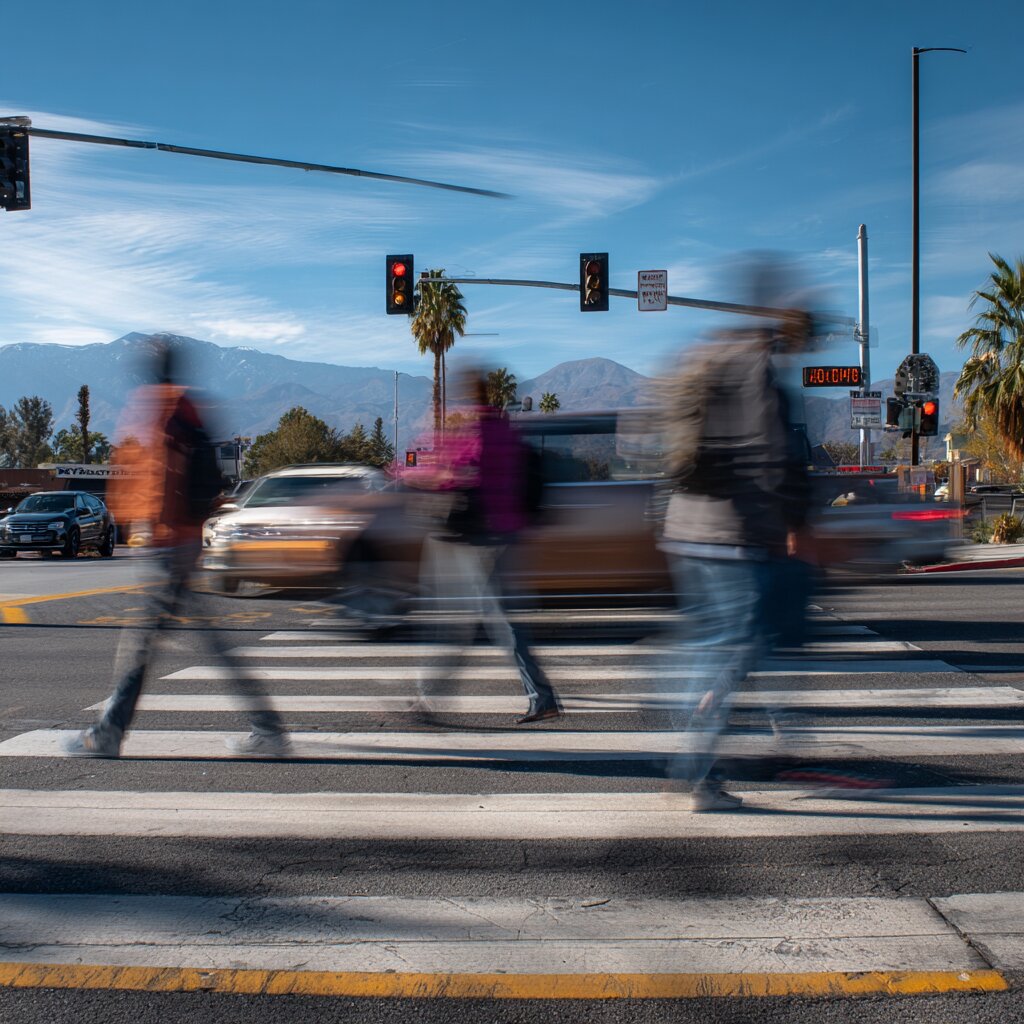
California Vehicle Code grants pedestrians the right of way in crosswalks and requires drivers to yield, but you must also exercise reasonable care for your own safety and cannot suddenly enter a vehicle's path when it creates an immediate hazard. This 2026 definitive guide to California's pedestrian laws explains your rights in various crossing situations,
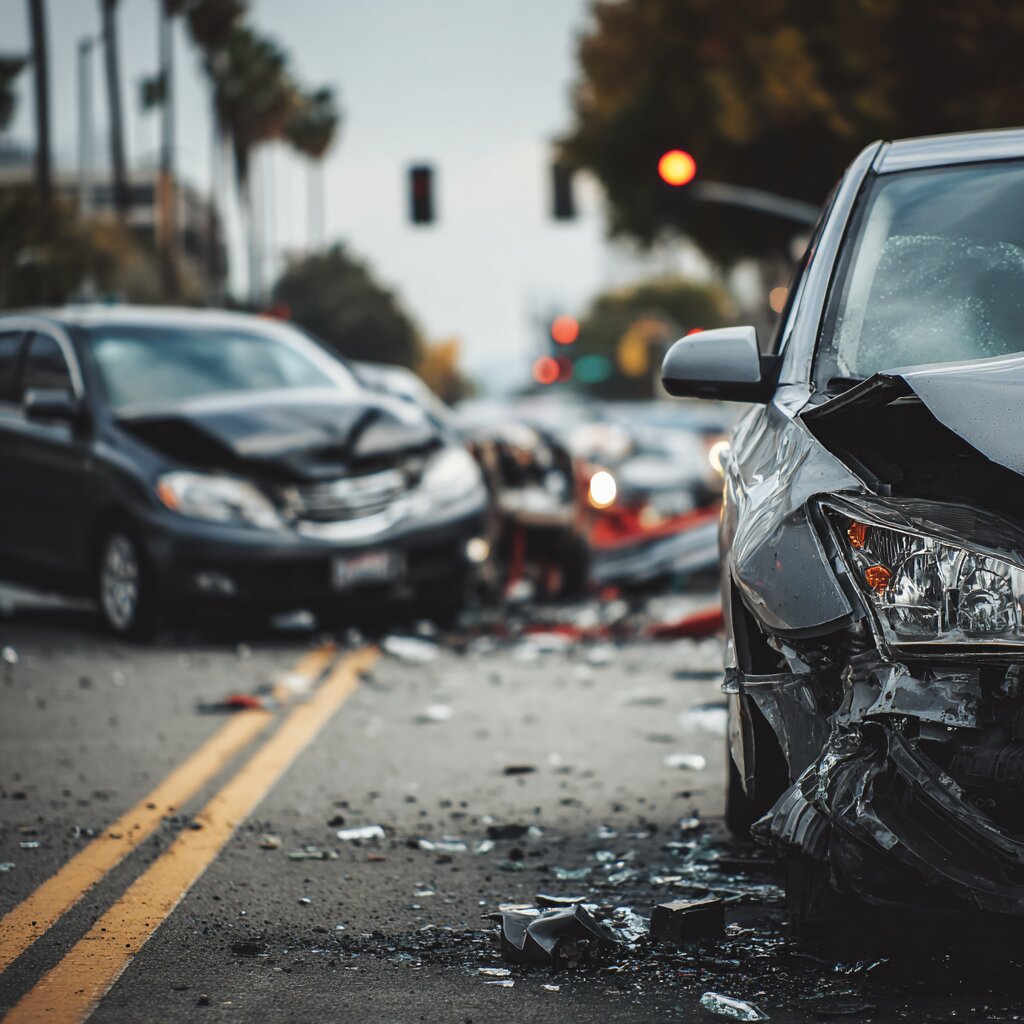
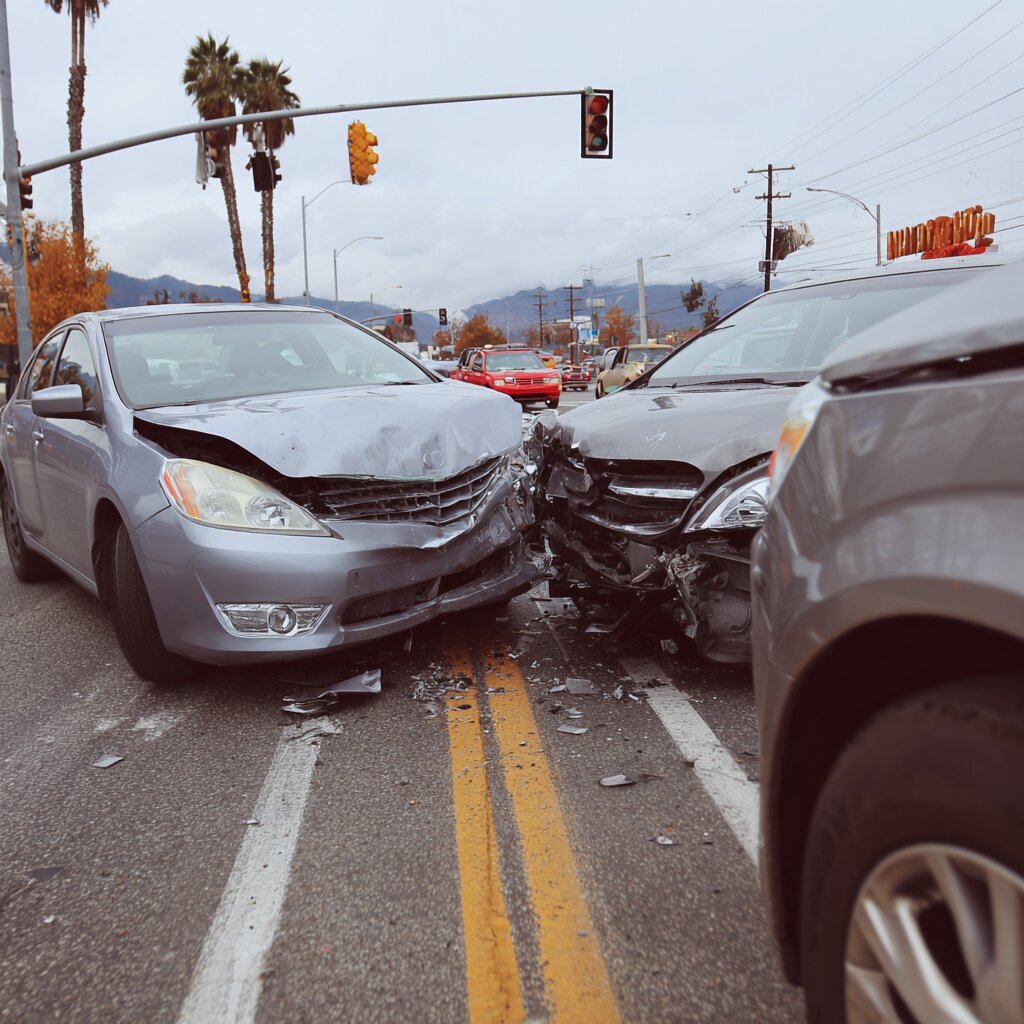
Failure-to-yield accidents occur when drivers ignore right-of-way laws and fail to give way to other vehicles, pedestrians, or cyclists who have the legal right to proceed first. These crashes typically happen at intersections, during left turns, when merging onto highways, or at crosswalks where traffic patterns intersect. In California, the driver who violates right-of-way rules
California Vehicle Code 21703 prohibits drivers from following another vehicle "more closely than is reasonable and prudent," making tailgating a traffic violation that can result in fines, points on your driving record, and liability in rear-end collisions. This law doesn't specify an exact distance but requires you to maintain safe spacing based on your speed,
California's shared fault car accident system allows you to recover compensation even when you contributed to causing the crash. Under the state's pure comparative negligence rule, your damages are reduced by your percentage of fault, but you can still collect money from other drivers regardless of how much blame you share. When multiple parties cause
In California, insurance companies often deny valid claims using tactics like disputing fault, claiming policy exclusions, or questioning the severity of your injuries, but these denials are not final decisions. California law provides multiple pathways to challenge wrongful claim denials, including internal appeals with your insurance company, filing complaints with the California Department of Insurance,
Being blamed for a car accident you didn't cause is both frustrating and surprisingly common in California. Understanding why this happens helps you prepare to fight back effectively. Insurance companies use several tactics to shift blame away from their policyholder and onto you: Profit Protection Strategy: Every percentage of fault they can assign to you
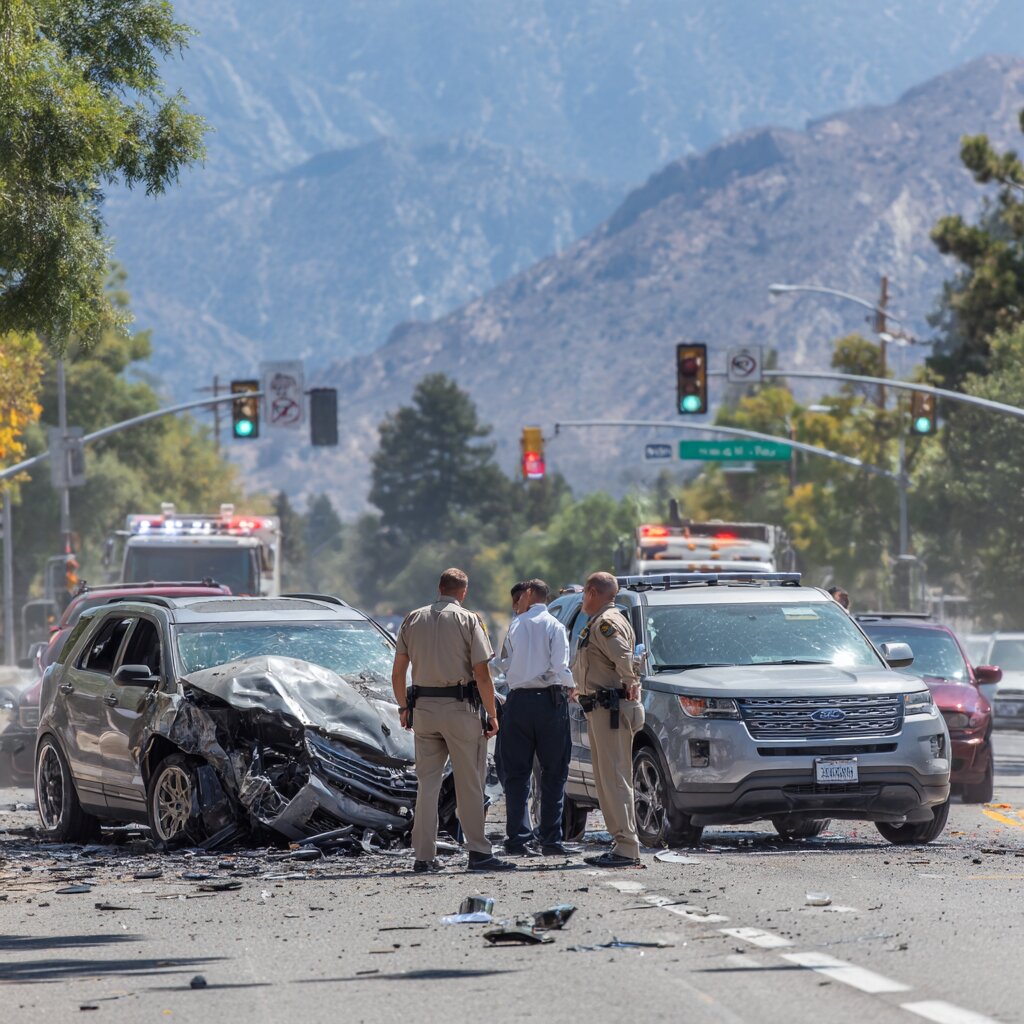
California law requires you to report car accidents to the police within 24 hours if anyone was injured or killed, and you must also file a separate DMV report within 10 days if the crash caused more than $1,000 in property damage or any injuries. These are two distinct reporting requirements with different deadlines and
Witness testimony provides independent, third-party accounts of your car accident that can prove fault and significantly increase your compensation in California. These statements from people who saw your crash happen serve as powerful evidence to counter insurance company tactics and support your version of events. Under California's comparative negligence system, strong witness testimony can be
You have two years from the date of your car accident to file a personal injury lawsuit in California. For property damage claims, you have three years. But in some cases, these deadlines can be significantly shortened, especially when government vehicles are involved. In these cases, you must file a formal claim within six months.
Evidence in your California car accident claim includes police reports, photos of the crash scene, witness statements, medical records, and any available surveillance footage that proves who caused the accident and the extent of your injuries. Under California's fault-based insurance system, this evidence determines how much compensation you can recover from the at-fault driver's insurance